As the world becomes more reliant on technology, it is clear that coding is becoming one of the essential skills that people can learn. However, the traditional method of learning to code – sitting in a classroom and listening to a lecturer – is no longer the most effective way to learn.
Instead, online interactive learning is the future of learning to code. In this blog post, we will explore why interactive learning is more effective than the traditional method of learning to code. In addition, we will explore why it is the future when it comes to learning to code.
What Is Interactive Learning?
Interactive learning is a type of learning that involves the learner being actively involved in the learning process. For example, one can ask questions, participate in discussions, and work on projects to accomplish the goal of interactive learning.
Research has shown that interactive learning is more effective than traditional learning methods (Source: Harvard Gazette). In addition, this type of learning is more likely to help you find meaning in what you are studying. The increased level of engagement, which results from interactive learning, also helps you remember material better and longer.
Interactive learning can be as simple as asking questions and listening for answers to complex projects where you work with another student or classmate. Interactive learning is particularly effective in learning to code. Quizzes, games, and animations can also be deployed as interactive learning methods.
Why Is Interactive Learning The Future When It Comes To Learning To Code?
Interactive learning is more effective than passive learning when it comes to coding. In interactive learning, students actively engage in learning and can apply what they are learning to real-world scenarios. It is in contrast to passive learning, where students are presented with information and are not allowed to use it.

There are many reasons why interactive learning is the future of learning to code. For one, it is more effective in terms of retention and understanding. Additionally, it encourages critical thinking and problem-solving skills. And finally, it is more engaging and enjoyable for students, which leads to better overall results. Let’s talk about the benefits of interactive learning in detail.
5 Benefits Of Interactive Code Learning For Kids
Interactive code learning has many benefits for kids. It can help them develop problem-solving skills, improve their understanding of immutable data structures, and increase their confidence in their ability to code. The benefits also include the following:
- It’s a fun and engaging way to learn.
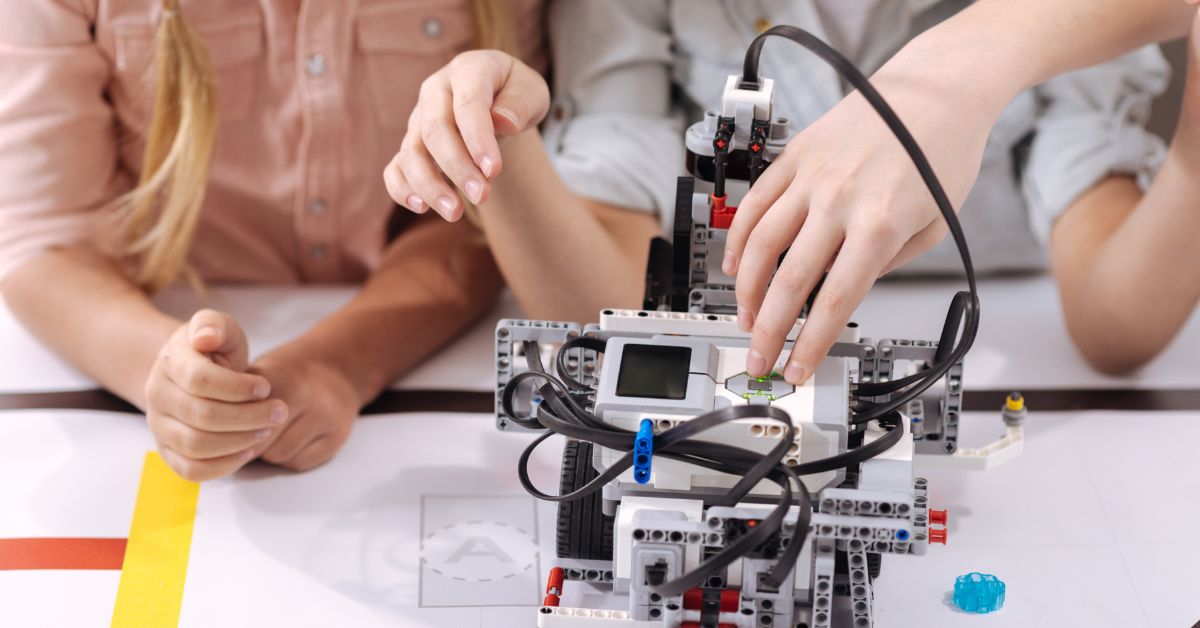
Interactive code learning for kids is a fun and engaging way to learn how to code. By using interactive code blocks, kids can learn the basics of coding in fun and visually. This type of learning is also great for kids who are kinesthetic learners, as they can move the code blocks around and see the effects of their code in real time.
There are plenty of projects that kids can try their hand at, including simple games, animations and more. Kids can be taught to code efficiently with the help of such a project-based approach in an engaging way.
- It helps kids to see the results of their work immediately.
Interactive code learning is an excellent way for kids to see the results of their work immediately. By visiting the results of their code, they can understand how their code works and how to improve it. This type of learning also allows kids to make mistakes and learn from them, which is an essential part of coding. For example, kids can code using Scratch and view the results of code execution immediately.
Interactive learning online allows kids to experiment as it allows them to make changes and see how those changes affect the outcome, which is a crucial part of the learning process.
- It helps kids to understand how code works.
Interactive code learning helps kids to understand how code works. By manipulating code, they can see how it affects the behaviour of a program. It allows kids to learn the underlying coding principles and better understand how code works.
Various interactive code learning tools are available, and one can use them to teach kids of all ages.
- It helps kids identify their weaknesses and work on them.
There is no shortage of benefits that come with learning to code at a young age. One of the most important benefits is that it helps kids identify their weaknesses and work on them.
With interactive coding learning, kids can experiment and try different things. Then, if they make a mistake, they can see what went wrong and work on fixing it. This trial and error process helps kids understand their weaknesses and learn how to improve them. For example, if a kid plays a coding game, they may have to select the right answers to coding questions and then earn points for right answers. Hence, the kids will be able to analyse their performance while enjoying the coding games.
In addition, coding is a great way to develop problem-solving skills. By working through coding challenges, kids learn how to identify problems and figure out creative solutions. These skills will serve them well in all areas of their lives, like during their school life, and beyond.
- It encourages collaboration.
Interactive online code learning provides a unique opportunity for kids to collaborate and learn from one another.
For instance, kids can use online code learning platforms to work on projects together. They can also use these platforms to share tips and tricks. This collaboration is beneficial for learning and encourages kids to think creatively and work together as a team. For example, kids may discuss the points they received in coding games or what they learnt watching coding videos.
Interactive learning for kids is the future of learning to code because it is more engaging and allows immediate feedback. In addition, one can customise it to the individual learner. These benefits result in a more effective and efficient learning experience. To learn more about the benefits of code learning, you can read our article “How Does Learning To Code Have A Lifelong Impact On Kids?”