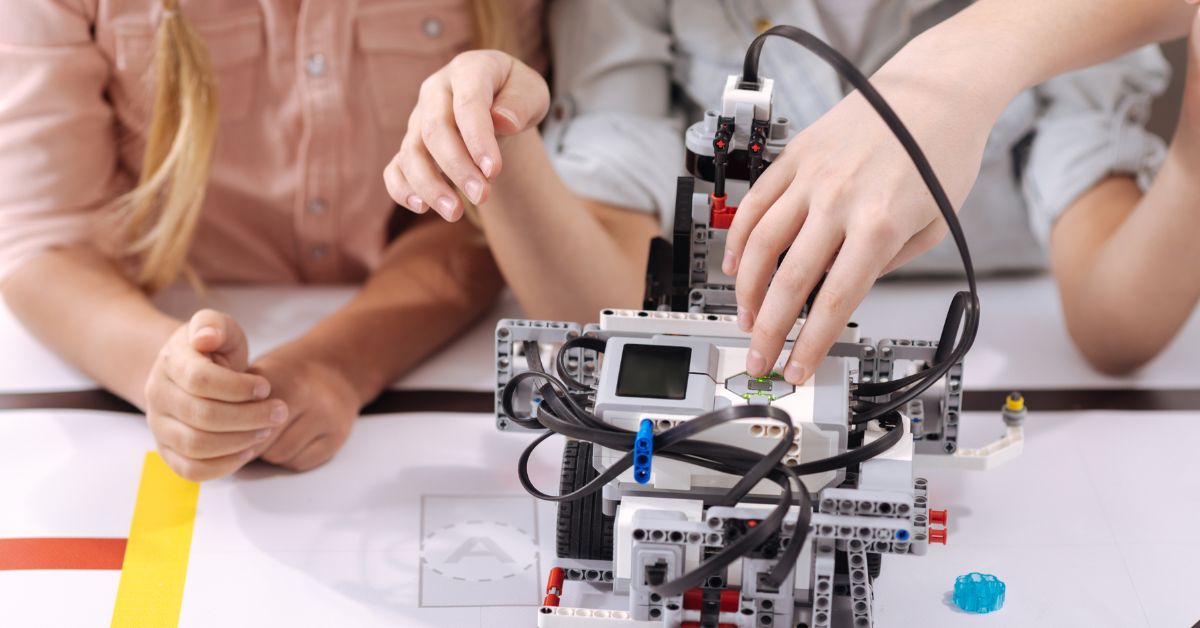
Introducing your kid to modern technology at a young age is a good decision. As the IT industry is growing and flourishing day by day and coding is the heart of the technology, we can expect an enormous demand for it in the coming time. When you teach your kids coding from a young age, you prepare them for the future by giving them an edge over others. Coding from a young age will also help them to tackle coding problems on their own without asking anyone for help.
The process of teaching might not be easy in the beginning but will be fruitful for your kid.
There are many platforms available to teach kids coding like various websites, apps and other places. But many teachers or parents are missing out on some of the other vital aspects. Here are some of the mistakes that you should avoid:
Not Using the Appropriate Tools.
People tend to make this mistake as they choose the wrong course for their kids. Age should be the judging criteria for selecting a programming language for your kid. Kids between the age group of 8-13 should use Scratch and the older kids can start with Python.
Scratch is a free and fun programming tool by MIT and one can run it on any modern web browser. For younger kids, Scratch is the best option for young kids to start with their programming interests. Python is a great programming language for teens and older kids as they can handle the level of this language.
Not Practicing Timely.
While teaching coding to kids, parents pay more attention to the theoretical part than the practical one. Kids tend to grasp the knowledge better when they practice what they learn; they know better when they are taught using the graphical representation. Coding requires timely practice for a person to be the best in it. Hence, it’s the parents’ responsibility to keep a check on their kid’s timely practice of coding.

Not Altering the Teaching Style According To Their Age.
This is the most common mistake that many teachers and parents make. When you are teaching how to code to your kid you should come down to their level of learning. Many people are even confused about the point that “which age group is the optimal one for kids?”. But the fact is kids can start coding from a tender age all they need to learn initially is how to use a keyboard and a mouse.
The ideal age to start teaching coding to kids is 9 to 10 years. Kids below 9 years should be introduced to smartphones, computers, tablets etc. as it will help them to adapt to all these devices. The teaching pattern should suit the age of your kid along with the programming language you are starting with. Parents should have a kid-friendly approach while teaching.
Not Providing Them with the Study Tools.
It becomes difficult to learn coding without having the right study materials and tools. If you want your kid to learn faster, you should provide him/her with a computer to learn and practice coding. You should timely supervise them too as the internet is a wide space and your kid might feel trapped sometimes.

Not Making the Learning Process Fun.
Kids pay attention when the assessment that they are doing is fun and engaging. For kids to learn faster, parents need to make coding fun for them. Many people teach coding in a way that makes kids lose their interest in coding. If you make the process of learning fun then it becomes better for kids to learn and grasp it fully.